Soybeans are becoming more popular in healthy diets because they are rich in protein, fiber, vitamins, and minerals. Among the most common soybean products are mukimame and edamame. Many people often compare mukimame vs edamame because they look similar and offer almost the same nutritional benefits. However, there are several important differences between them, including texture, preparation, taste, and usage in recipes.
Whether you are trying to increase plant-based protein intake, follow a vegetarian lifestyle, or simply enjoy healthy snacks, understanding the difference between mukimame and edamame can help you choose the right option for your meals. Both are nutritious, delicious, and easy to cook, but each serves a different purpose in the kitchen.
In this guide, we will explore everything about mukimame vs edamame, including nutrition, flavor, cooking methods, health benefits, and which one is better for your diet.
What Is Edamame?
Edamame refers to young, green soybeans that are harvested before they fully mature. These soybeans are usually served inside their pods and are commonly steamed or boiled with salt. Edamame is popular in Japanese cuisine and is often served as an appetizer in restaurants.
The word “edamame” literally means “beans on branches” in Japanese. These beans have a slightly sweet flavor and a firm but tender texture. Since they are served inside the pod, people usually squeeze the beans out with their fingers or teeth before eating.
Common Uses of Edamame
- Healthy snack
- Salad topping
- Stir-fry ingredient
- Side dish
- Soup addition
Edamame is loved because it is easy to prepare and packed with nutrients.
What Is Mukimame?
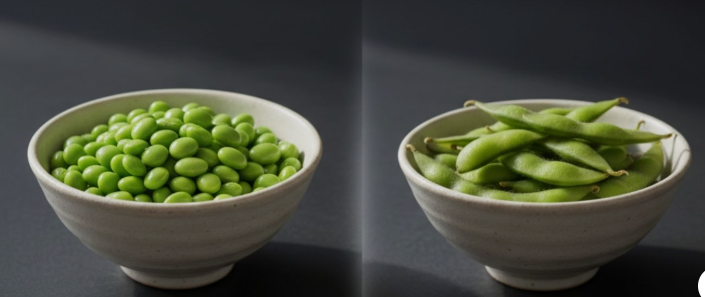
Mukimame is simply shelled edamame. The soybean pods are removed, leaving only the green beans. The word “mukimame” means “peeled beans” in Japanese.
Since mukimame comes without the outer pod, it is easier to cook and use directly in recipes. It has the same bright green appearance and nutritional profile as edamame, but the texture may feel slightly softer because the beans are already separated from the pod.
Mukimame is commonly sold frozen and is perfect for quick meals.
Common Uses of Mukimame
- Rice bowls
- Pasta dishes
- Smoothies
- Grain salads
- Fried rice
- Protein bowls
Many people prefer mukimame because it saves preparation time.
Mukimame vs Edamame: Main Differences
Although mukimame and edamame come from the same soybean plant, they are not exactly the same in presentation and usage.
| Feature | Mukimame | Edamame |
|---|---|---|
| Form | Shelled soybeans | Soybeans in pods |
| Preparation | Ready to eat after cooking | Beans removed from pods before eating |
| Texture | Softer and smoother | Slightly firmer |
| Convenience | More convenient | Less convenient |
| Best Uses | Salads, bowls, recipes | Snacks and appetizers |
| Appearance | Loose green beans | Green pods containing beans |
The biggest difference in mukimame vs edamame is simply whether the soybean pod is present or removed.
Nutrition Comparison of Mukimame vs Edamame
Both mukimame and edamame are highly nutritious foods. Since mukimame is just shelled edamame, their nutritional values are almost identical.
Nutritional Value Per 100 Grams
| Nutrient | Mukimame | Edamame |
|---|---|---|
| Calories | 120 | 120 |
| Protein | 11g | 11g |
| Fiber | 5g | 5g |
| Fat | 5g | 5g |
| Carbohydrates | 9g | 9g |
| Iron | High | High |
| Calcium | Moderate | Moderate |
Both options are excellent for people looking for:
- Plant-based protein
- Weight management
- Muscle recovery
- Heart health
- High-fiber foods
Because soybeans contain all essential amino acids, they are considered a complete protein source.
Taste Difference Between Mukimame and Edamame
Taste is another important factor when comparing mukimame vs edamame.
Edamame Taste
Edamame has a fresh, slightly sweet, and nutty flavor. Eating the beans directly from the pod gives a fun and interactive experience. The pods also help preserve moisture during cooking, making the beans juicy.
Mukimame Taste
Mukimame tastes very similar but may feel slightly softer and less fresh compared to podded edamame. Since it is already shelled, it blends easily into recipes and absorbs seasonings quickly.
Overall, both taste delicious, and the choice mostly depends on how you plan to use them.
Health Benefits of Mukimame and Edamame
Both mukimame and edamame provide impressive health benefits.
High in Protein
Soybeans are one of the best plant protein sources available. This makes them ideal for vegetarians and vegans.
Supports Heart Health
Soy protein may help lower bad cholesterol levels and improve heart health when included in a balanced diet.
Rich in Fiber
Fiber supports digestion, improves gut health, and helps maintain fullness for longer periods.
Contains Important Vitamins and Minerals
Mukimame and edamame contain:
- Iron
- Magnesium
- Folate
- Potassium
- Vitamin K
These nutrients support energy production, bone health, and overall wellness.
Helps With Weight Management
The combination of protein and fiber helps reduce hunger and keeps you satisfied longer.
Which Is Better: Mukimame or Edamame?
The answer depends on your lifestyle and cooking needs.
Choose Edamame If:
- You enjoy healthy snacks
- You like traditional Japanese appetizers
- You prefer eating beans fresh from pods
- You want a fun snacking experience
Choose Mukimame If:
- You need quick meal preparation
- You cook salads or rice bowls often
- You want ready-to-use soybeans
- You prefer convenience
Nutritionally, there is almost no major difference between mukimame and edamame.
How to Cook Mukimame and Edamame
Cooking both options is very easy.
Cooking Edamame
- Boil water with salt.
- Add edamame pods.
- Cook for 4–6 minutes.
- Drain and sprinkle extra salt if desired.
Cooking Mukimame
- Heat water or steam.
- Add shelled beans.
- Cook for 3–5 minutes.
- Use directly in recipes.
Frozen versions are the most common and cook very quickly.
Best Recipes Using Mukimame and Edamame
Popular Edamame Recipes
- Salted edamame snack
- Garlic chili edamame
- Edamame hummus
- Japanese appetizers
Popular Mukimame Recipes
- Protein salad bowls
- Fried rice
- Quinoa salad
- Pasta dishes
- Smoothies
Mukimame is more versatile in recipes because it does not require shell removal.
Is Mukimame Healthier Than Edamame?
No, mukimame is not healthier than edamame. Since both come from the same young soybean, their nutritional value is almost identical. The only real difference is that mukimame is shelled while edamame remains inside the pod.
However, some people may eat mukimame more easily because it is convenient and ready to use in meals. This can encourage healthier eating habits overall.
Buying Tips for Mukimame and Edamame
When shopping for soybeans, consider these tips:
- Choose organic options if possible
- Look for bright green color
- Avoid freezer-burned packages
- Check sodium content in flavored products
- Select unsalted versions for healthier meals
Frozen products usually maintain freshness and nutrients very well.
Conclusion
Understanding the difference between mukimame vs edamame is simple once you know that both come from the same soybean plant. Edamame is served inside the pod, while mukimame is the shelled version. Nutritionally, they are nearly identical and both offer excellent amounts of protein, fiber, vitamins, and minerals.
If you enjoy snacking and traditional Japanese-style appetizers, edamame may be the better choice. If you want convenience and easy cooking for salads, bowls, and meal prep, mukimame is ideal.
Both are healthy, delicious, and versatile foods that fit perfectly into modern diets. Adding either mukimame or edamame to your meals can help improve nutrition, support heart health, and provide a satisfying plant-based protein source.
FAQs
What is the main difference between mukimame and edamame?
Mukimame is simply shelled edamame, meaning the soybean beans are removed from the pod. Edamame is usually served whole inside the pod and eaten as a snack or appetizer.
Is mukimame healthier than edamame?
No, both have nearly the same nutritional value because they come from the same immature soybean plant. They are rich in protein, fiber, vitamins, and minerals.
Can mukimame be used in recipes?
Yes, mukimame is perfect for salads, soups, rice bowls, stir-fries, pasta dishes, and smoothies because the beans are already shelled and easy to mix.
Does edamame taste different from mukimame?
The flavor is very similar since both are soybeans. However, edamame may feel fresher as a snack because it is eaten directly from the pod.
Which is better for weight loss: mukimame or edamame?
Both are excellent for weight loss because they are high in protein and fiber, helping people stay full longer while supporting healthy eating habits.