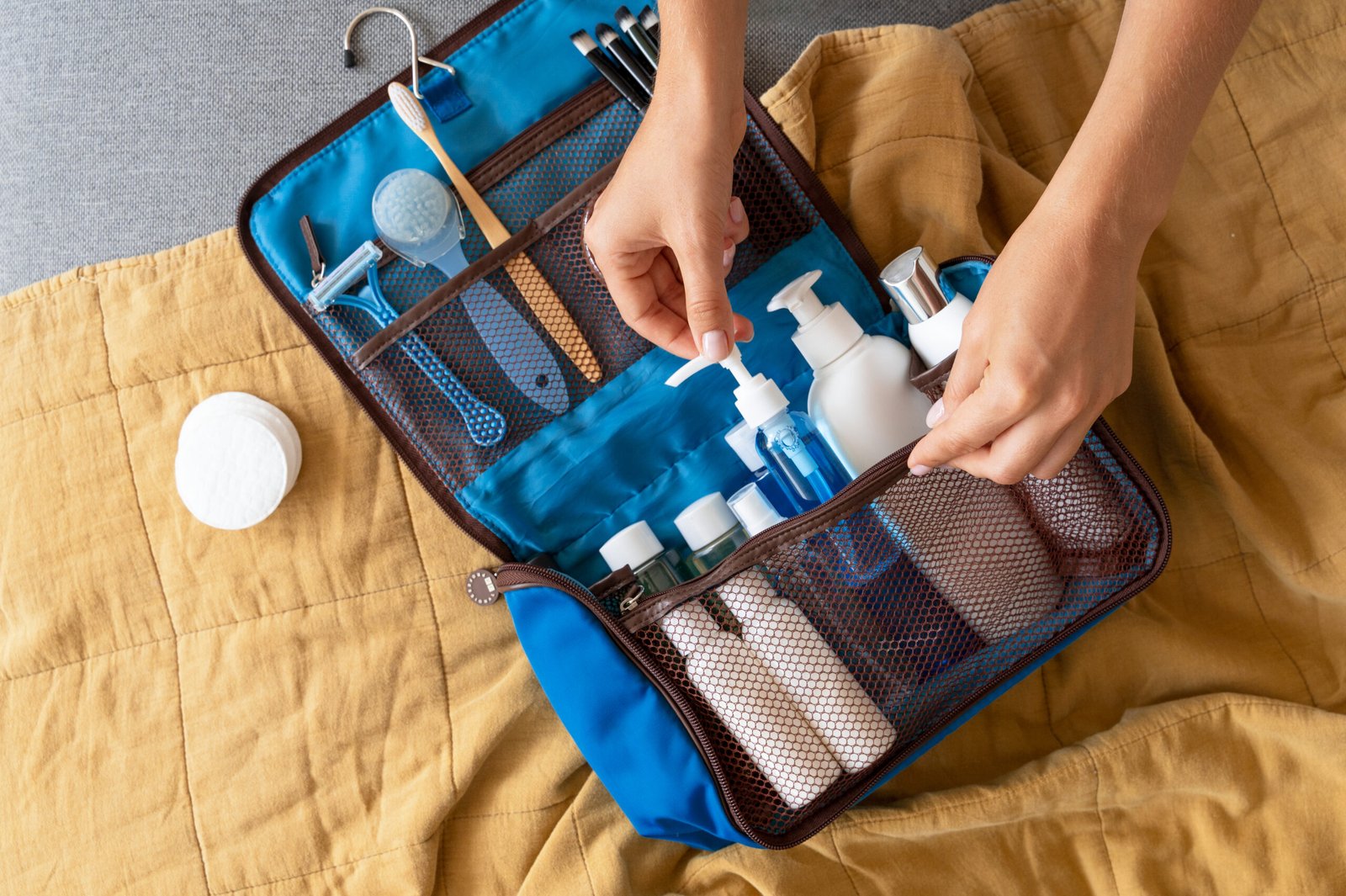
If you are wondering can you take dry shampoo on airplane, the answer is generally yes, but the rules depend on the type of dry shampoo and whether you place it in your carry-on or checked luggage. Aerosol dry shampoo is treated as a toiletry aerosol, so it is permitted under U.S. aviation rules when it meets the applicable size and quantity requirements. For carry-on baggage, liquids, gels, and aerosols are generally limited to containers of 3.4 ounces (100 ml) or less at the security checkpoint.
Dry shampoo can be especially useful while traveling because it allows you to refresh your hair without taking a full shower. However, packing it correctly can help you avoid delays at airport security.
What Is Dry Shampoo?
Dry shampoo is a hair-care product designed to refresh hair without traditional washing with water. It commonly comes in aerosol spray, powder, foam, or other formulations.
Instead of rinsing the hair, dry shampoo is applied to the roots or oily areas. The product can absorb excess oil and help hair look and feel fresher.
Common forms include:
- Aerosol spray
- Powder
- Foam
- Pressurized mousse
- Non-aerosol powder
- Travel-size dry shampoo
The packing rules can vary depending on the formulation.
Can Dry Shampoo Go in Carry-On Luggage?
Yes, dry shampoo can generally be packed in carry-on luggage when it meets the applicable security requirements.
If the dry shampoo is an aerosol, the container must generally be 3.4 ounces (100 ml) or smaller when going through a U.S. airport security checkpoint. TSA’s travel guidance places liquids, gels, and aerosols in carry-on baggage under the 3-1-1 rule.
The container should fit inside your required liquids bag along with your other applicable liquids, gels, and aerosols.
For example:
| Dry Shampoo Type | Carry-On Consideration |
|---|---|
| Aerosol spray | Generally allowed if container is 3.4 oz/100 ml or less |
| Powder | Generally easier to pack |
| Non-aerosol liquid formula | Subject to liquid restrictions |
| Travel-size aerosol | Convenient for carry-on travel |
| Large aerosol can | Generally better suited to checked baggage if permitted |
Always check the rules of the airport and airline you are traveling with, especially for international trips.
Can Dry Shampoo Go in Checked Luggage?
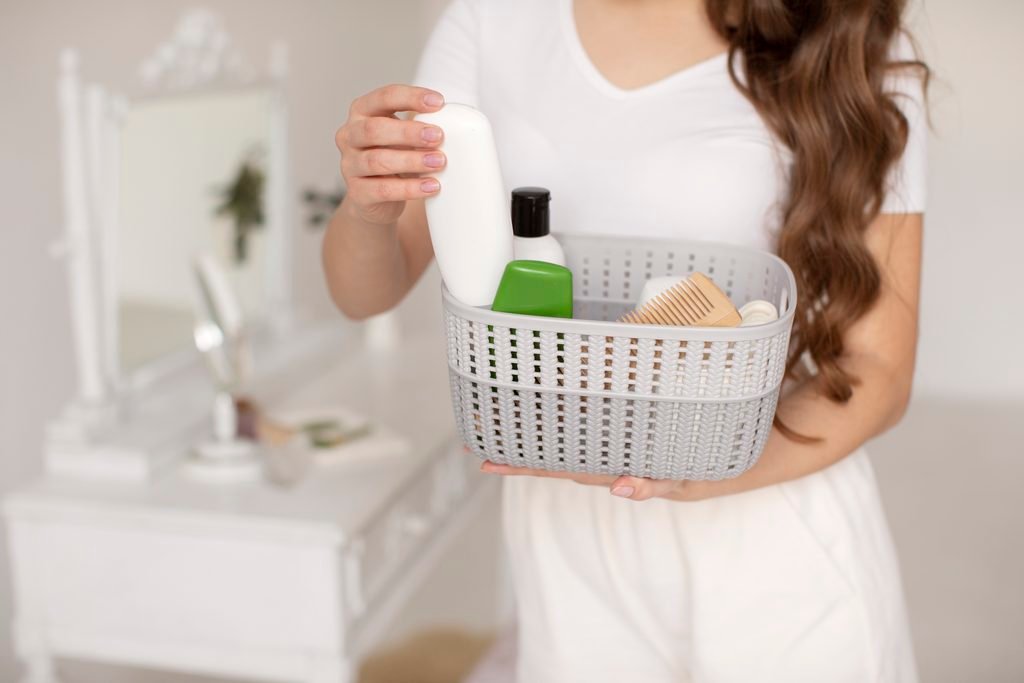
Dry shampoo can generally be packed in checked luggage when it qualifies as a personal toiletry.
The FAA permits certain medicinal and toiletry aerosols in both carry-on and checked baggage. For these products, each container cannot exceed 0.5 kg (18 ounces) or 500 ml (17 fluid ounces), and the total amount of qualifying medicinal and toiletry articles per person cannot exceed 2 kg (70 ounces) or 2 liters (68 fluid ounces). Aerosol nozzles must also be protected with caps or another method that prevents accidental release.
This means a larger dry shampoo can may be acceptable in checked baggage even though it would exceed the carry-on security liquid limit.
However, the product should be a toiletry intended for personal use and should meet the applicable airline and aviation regulations.
Carry-On vs. Checked Baggage
Understanding the difference between the two options makes packing easier.
| Factor | Carry-On | Checked Bag |
|---|---|---|
| Aerosol dry shampoo | Generally allowed | Generally allowed |
| Security container limit | Usually 3.4 oz/100 ml | Up to applicable toiletry limits |
| Protective cap | Recommended/required for applicable aerosols | Required for applicable aerosols |
| Access during trip | Easy | Not accessible during flight |
| Best for | Short trips and personal items | Larger toiletry containers |
For carry-on travel, choosing a travel-size container is usually the simplest option.
What Is the TSA 3-1-1 Rule?
The 3-1-1 rule is a U.S. airport security requirement for liquids, gels, and aerosols carried through the security checkpoint.
TSA guidance specifies:
- Each container should be 3.4 ounces (100 ml) or less.
- Containers should fit in a clear, quart-size bag.
- Generally, one such bag is permitted per passenger.
This rule applies to many common personal-care products, including certain sprays and toiletries.
It is important to distinguish the airport security rule from the separate aviation safety rules governing hazardous materials. The FAA explains that TSA security rules and FAA dangerous-goods rules are separate systems, although they can overlap.
Why Aerosol Dry Shampoo Has Special Rules
Aerosol products use pressurized containers to release their contents.
Because pressurized and potentially flammable products can create safety concerns on aircraft, aviation regulations place limits on certain aerosols.
The FAA makes an exception for certain personal medicinal and toiletry products, including aerosols. The exception has limits on container size and total quantity, and aerosol release devices must be protected against accidental release.
This is why it is important to look at the product label before packing it.
How to Pack Dry Shampoo in a Carry-On
Packing your dry shampoo correctly can make airport screening easier.
Choose a Travel-Size Container
If you are carrying aerosol dry shampoo through a U.S. security checkpoint, select a container that is 3.4 ounces (100 ml) or smaller.
A travel-size product can also save space in your liquids bag.
Keep the Cap Secure
Make sure the aerosol nozzle has its protective cap.
The FAA specifically requires release devices on qualifying toiletry aerosols to be protected by caps or another suitable method to prevent accidental release.
Place It With Other Applicable Toiletries
If the product is subject to the carry-on liquids and aerosols rule, place it with your other applicable liquids, gels, and aerosols.
Keeping everything together makes security screening easier.
Keep the Label Visible
Avoid transferring aerosol products into an unmarked container. The original packaging makes it easier to identify the product.
How to Pack Dry Shampoo in Checked Luggage
If you are taking a larger container, checked luggage may be more convenient, provided the product meets the applicable toiletry rules.
Place the can somewhere where it is protected from damage.
A good packing approach is to:
- Keep the original cap attached.
- Place the can inside a toiletry bag.
- Surround it with clothing or other soft items.
- Avoid placing heavy objects directly on the nozzle.
- Keep multiple aerosol products organized together.
The goal is to prevent the container from being damaged or accidentally activated.
Powder Dry Shampoo vs. Aerosol Dry Shampoo
Not all dry shampoos have the same travel considerations.
Powder dry shampoo does not use a pressurized aerosol container, so it does not have the same aerosol-related considerations.
However, airport security officers may still inspect powders or other unusual substances.
Aerosol dry shampoo, meanwhile, is subject to the applicable aerosol and carry-on liquid restrictions.
| Feature | Powder Dry Shampoo | Aerosol Dry Shampoo |
|---|---|---|
| Pressurized container | No | Yes |
| Carry-on convenience | Generally convenient | Convenient if travel-size |
| 3.4 oz aerosol rule | Not applicable as an aerosol | Applicable at U.S. security checkpoint |
| Risk of accidental spraying | Very low | Must be prevented |
| Best for minimal packing | Yes | Yes, if small |
If you want to minimize restrictions, a small powder formulation can be a practical alternative.
International Travel Considerations
Rules can vary between countries and airports.
If your trip involves international travel, do not assume that the rules at your departure airport are identical to those at your destination or connecting airport.
You should consider:
- Departure-country security rules
- Connecting-airport rules
- Destination-country regulations
- Airline baggage restrictions
- Container size
- Aerosol classification
- Customs requirements
The FAA itself recommends checking airline requirements because individual carriers may impose restrictions beyond general regulations.
Can You Use Dry Shampoo on the Plane?
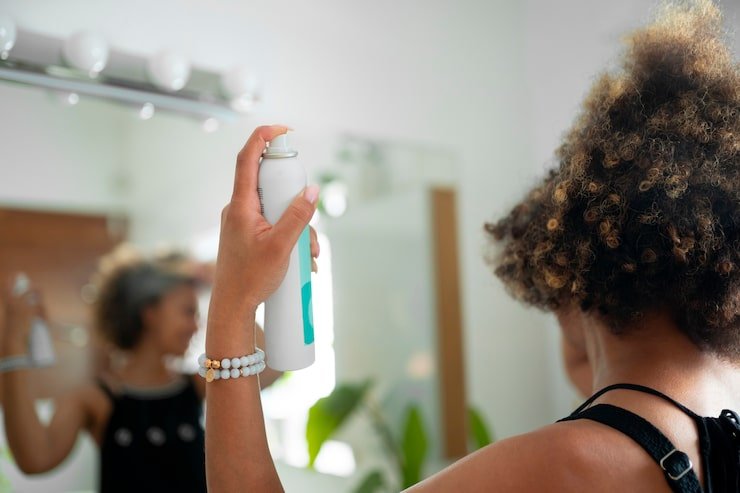
Being allowed to carry a product does not necessarily mean you can use it during the flight.
Aerosol sprays can release odors, vapors, or particles that may bother other passengers or crew.
The FAA notes that not all carry-on items may be used during flight and advises passengers to consult the flight crew before using items that produce strong odors or vapors.
For this reason, it is generally better to apply dry shampoo before boarding or after landing rather than spraying it inside the aircraft cabin.
What Happens If Your Dry Shampoo Is Too Large?
If you take an aerosol dry shampoo container larger than the applicable carry-on security limit, you may not be allowed to take it through the security checkpoint in your carry-on.
The easiest solution is to pack a travel-size version.
Alternatively, if the product qualifies as a toiletry and meets the applicable checked-baggage requirements, you may place the larger container in checked luggage.
Do not assume that simply having a large container that is partially empty makes it acceptable for carry-on screening. The container size itself is generally what matters for the carry-on liquid restriction.
Tips for Traveling With Hair Products
Dry shampoo is only one of many hair products travelers may want to pack.
Other common products include:
- Hairspray
- Hair gel
- Hair mousse
- Hair oil
- Leave-in conditioner
- Styling cream
- Hair serum
- Heat-protection spray
Many of these products can have different packing requirements depending on whether they are liquids, gels, aerosols, or other formulations.
The FAA identifies hairspray and other personal-care aerosols as examples of toiletry products that can qualify for the passenger exception when the relevant limits and packaging requirements are followed.
Common Packing Mistakes
Bringing a Large Aerosol in Your Carry-On
A full-size aerosol can may exceed the security checkpoint’s 3.4-ounce container limit.
Removing the Protective Cap
An aerosol nozzle should be protected to prevent accidental release.
Assuming All Sprays Are Toiletries
Not every aerosol receives the same exception. The FAA distinguishes personal toiletry aerosols from prohibited non-toiletry flammable aerosols.
Ignoring Airline Rules
Airlines can have additional baggage policies, so check your carrier before traveling.
Using Aerosol Products During the Flight
Even if the product is permitted in your baggage, using it in the cabin may not be appropriate.
Best Travel Option for Dry Shampoo
For most travelers, the easiest option is a small travel-size dry shampoo.
A practical packing checklist is:
- Choose a container of 3.4 ounces/100 ml or less for U.S. carry-on screening.
- Keep the original label.
- Keep the protective cap attached.
- Place it with other applicable liquids and aerosols.
- Put larger qualifying toiletry aerosols in checked baggage.
- Check your airline’s rules.
- Check connecting-airport requirements for international trips.
- Avoid spraying it inside the aircraft.
Key Points to Remember
- Dry shampoo is generally permitted on airplanes when it meets applicable rules.
- Aerosol dry shampoo is treated as a toiletry aerosol when it qualifies under the applicable exception.
- Carry-on aerosols are generally subject to the 3.4-ounce/100-ml container limit at U.S. security checkpoints.
- Larger qualifying toiletry aerosols may be permitted in checked baggage.
- Aerosol nozzles should have protective caps.
- The FAA limits the size and total quantity of qualifying toiletry aerosols.
- Powder dry shampoo does not have the same aerosol restrictions.
- Being allowed to carry a product does not automatically mean it can be used during the flight.
- Airline policies may add restrictions.
- International travelers should check the rules at departure and connecting airports.
- Always check the product label and applicable baggage requirements before traveling.
Final Thoughts
Dry shampoo can be a convenient travel companion, particularly during long journeys, delayed flights, or trips where access to a shower is limited. In general, aerosol dry shampoo is permitted on airplanes when it qualifies as a personal toiletry and meets the applicable size, quantity, and packaging requirements.
For U.S. carry-on travel, the simplest choice is a container of 3.4 ounces (100 ml) or less. Larger qualifying toiletry aerosols can generally be placed in checked baggage within the applicable limits. The FAA also requires aerosol release devices to be protected against accidental release.
Before leaving for the airport, check your airline’s baggage policy and the security requirements for your departure and connecting airports. Taking a few minutes to pack your toiletries correctly can help make the security process much easier.
Frequently Asked Questions
Can I bring aerosol dry shampoo in my carry-on?
Yes. Aerosol dry shampoo can generally be carried on when it qualifies as a toiletry and the container is 3.4 ounces (100 ml) or less for U.S. security screening. It should also have its protective cap.
Can I put a full-size dry shampoo in checked luggage?
A qualifying personal toiletry aerosol can generally be placed in checked baggage within the applicable FAA limits. Each container may not exceed 0.5 kg (18 ounces) or 500 ml (17 fluid ounces), and the total amount of qualifying toiletry articles is limited per passenger.
Does powder dry shampoo count as a liquid?
Powder dry shampoo is not an aerosol and does not have the same aerosol container restrictions. However, security officers may inspect powders or other substances, so keeping the product in its original labeled packaging is advisable.
Can I use dry shampoo during a flight?
Being permitted to carry dry shampoo does not necessarily mean you can use it inside the aircraft. Aerosol products can release odors or vapors, so it is better to use them before boarding or after landing unless the flight crew permits their use.
Do airline rules for dry shampoo vary?
Yes. General aviation and security rules apply, but airlines may have additional baggage requirements. International journeys can also involve different rules at departure, connection, or destination airports, so checking the relevant airline and airport requirements before traveling is recommended.