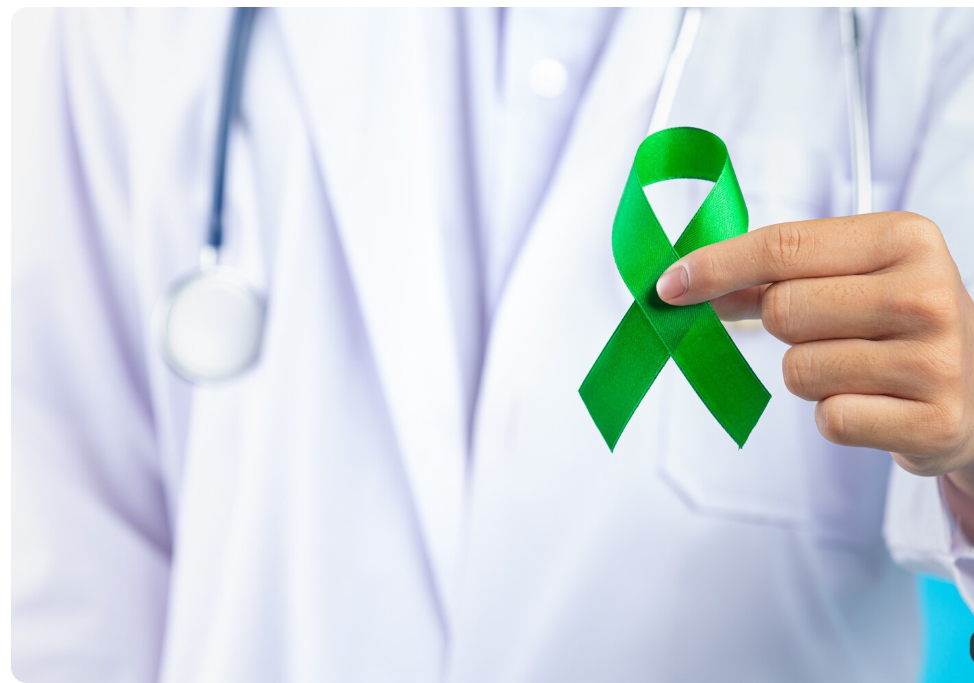
Colors are often used to communicate emotions, raise awareness, and encourage conversations about mental well-being. When people search for the mental health color, they are usually looking for the color associated with mental health awareness, the meaning of mental health ribbons, or colors that represent feelings such as hope, calmness, sadness, and healing.
Green is the internationally recognized color of mental health awareness. It represents hope, renewal, growth, and support for people experiencing mental health challenges. Green ribbons are commonly worn to show solidarity, reduce stigma, and encourage open conversations about emotional well-being.
Other colors, including blue, purple, teal, yellow, and lavender, are also used in mental health campaigns and emotional wellness settings. However, their meanings can vary depending on the organization, country, and specific awareness campaign.
This guide explains the main mental health awareness color, the meaning of different colors, ribbon symbolism, and practical ways to use colors to promote mental health awareness.
1. What Is the Official Mental Health Color?
Green is widely recognized as the international color of mental health awareness. It is used by mental health organizations, schools, healthcare communities, workplaces, and awareness campaigns to show support for emotional well-being.
The green awareness ribbon is an especially recognizable symbol. People wear it to encourage understanding, support individuals experiencing mental health conditions, and help reduce the stigma surrounding mental illness.
Green is commonly associated with:
- Hope and optimism.
- Renewal and fresh beginnings.
- Growth and personal development.
- Healing and recovery.
- Balance and well-being.
- Community support and understanding.
The Mental Health Foundation identifies the green ribbon as the international symbol of mental health awareness. Mental Health America also promotes green during Mental Health Month in May.
Green is therefore a suitable choice for awareness posters, social media graphics, school activities, workplace campaigns, and community events.
2. What Does the Green Mental Health Ribbon Mean?
The green ribbon represents mental health awareness, acceptance, and support. Wearing one can communicate that mental health matters and that people should feel comfortable discussing emotional difficulties without fear of judgment.
The ribbon can represent support for people living with conditions such as:
- Anxiety disorders.
- Depression.
- Bipolar disorder.
- Post-traumatic stress disorder.
- Other mental health challenges.
- Emotional distress and psychological difficulties.
It can also honor people who have experienced mental health struggles or remember loved ones who have died.
Why Is Green Used?
Green is associated with nature, renewal, and growth. These associations make it a meaningful symbol for mental health campaigns that encourage recovery, hope, and positive change.
The color also provides a visible way to start conversations. A green ribbon on a shirt, bag, badge, or social media profile can encourage someone to ask questions or share information about mental health resources.
3. What Do Different Mental Health Colors Represent?
Although green is the most widely recognized general mental health awareness color, other colors appear in campaigns for particular conditions, emotional experiences, and support movements.
| Color | Common association | Important note |
|---|---|---|
| Green | General mental health awareness, hope, renewal | Widely recognized awareness color |
| Teal | Anxiety and some suicide prevention campaigns | Meaning varies by campaign |
| Purple | Suicide prevention, grief, and other causes | Often paired with teal |
| Blue | Calmness, communication, and emotional awareness | Not one universal mental health ribbon |
| Yellow | Hope and youth-focused suicide prevention | Used by particular campaigns |
| Lavender | Calmness, reflection, and emotional support | Often used in wellness designs |
| Gray | Sometimes used for depression or mental illness awareness | Not a universal standard |
These associations are not a universal medical classification. A color does not diagnose a condition, and different organizations may use the same color for different causes.
4. Why Is Green the Symbol of Mental Health Awareness?
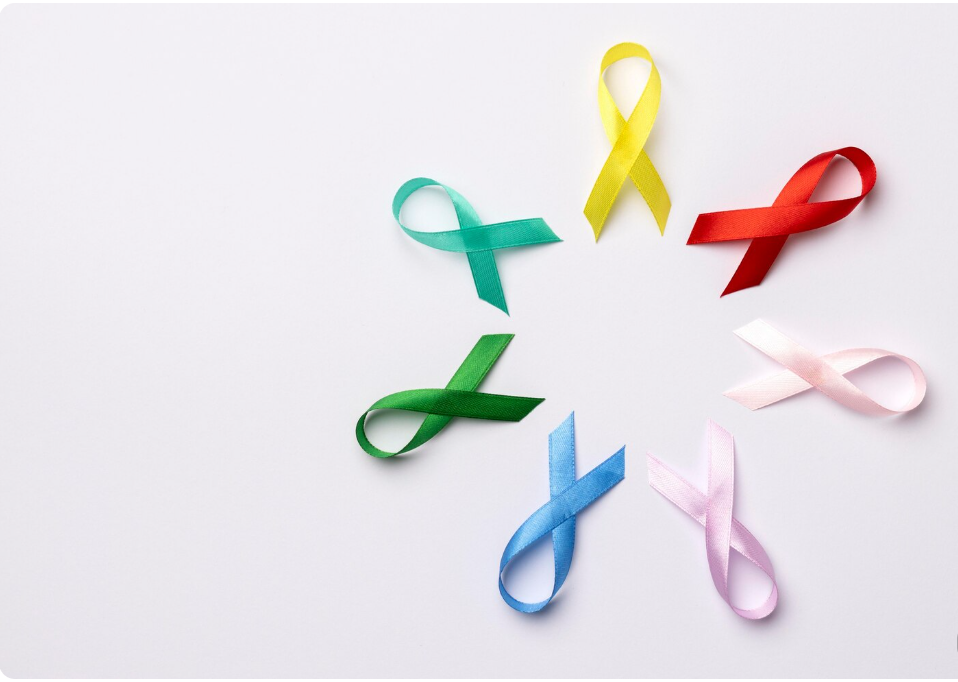
Green became widely associated with mental health awareness because it communicates ideas of life, renewal, growth, and hope.
Mental health campaigns use green to encourage people to take emotional well-being seriously and to challenge negative attitudes about mental illness.
Green Represents Hope
Hope is important for people facing emotional difficulties. Green can communicate encouragement and remind individuals that support and treatment are available.
Green Represents Growth
Mental well-being can involve learning new coping skills, building healthy relationships, and developing greater self-understanding.
Green Represents Renewal
The color can symbolize recovery, fresh starts, and the possibility of positive change.
Green Encourages Awareness
Wearing green or displaying a green ribbon can make mental health conversations more visible in communities.
5. What Is the Difference Between Mental Health Awareness and Suicide Prevention Colors?
Mental health awareness and suicide prevention are connected, but they are not exactly the same campaign.
Green is widely used for general mental health awareness. Suicide prevention campaigns frequently use a combination of teal and purple, although yellow and other colors also appear in particular programs.
| Awareness purpose | Common color | General meaning |
|---|---|---|
| General mental health awareness | Green | Hope, growth, and support |
| Suicide prevention | Teal and purple | Prevention, connection, remembrance, and support |
| Youth suicide prevention | Yellow in some campaigns | Hope and encouragement for young people |
| Emotional wellness | Blue and lavender | Calmness and reflection |
The Substance Abuse and Mental Health Services Administration (SAMHSA) uses teal and purple in its Suicide Prevention Awareness Month materials. Yellow is also widely used in youth-focused suicide prevention initiatives.
If you are creating an awareness campaign, check the official color guidelines of the organization you are supporting rather than assuming that every mental health cause uses the same ribbon.
6. How Different Colors Can Be Used to Communicate Emotions
Colors can influence how a design or environment feels. For example, soft blue may create a calm visual impression, while bright yellow can feel energetic.
However, color psychology is not an exact science. Individual experiences, cultural backgrounds, personal preferences, lighting, and context can influence how people respond to colors.
Green: Hope and Balance
Green is often associated with nature, renewal, and stability. It is commonly used in mental health awareness materials and wellness spaces.
Blue: Calmness and Trust
Blue is frequently used in designs intended to communicate calmness, reliability, and openness. Soft blue may work well in educational materials and relaxation spaces.
Purple: Reflection and Compassion
Purple can communicate creativity, dignity, reflection, and compassion. It is also used in some suicide prevention campaigns alongside teal.
Yellow: Optimism and Energy
Yellow is associated with sunshine, positivity, and energy. It can be useful for uplifting campaign designs, although very bright shades may feel visually intense to some people.
Lavender: Gentle Support
Lavender is often used in designs that aim to feel peaceful, soft, and welcoming.
Gray: Neutrality and Reflection
Gray can create a subdued or serious visual tone. Some awareness campaigns use it for particular causes, but its meaning is not consistent across organizations.
7. Green Mental Health Awareness Ribbon: Ways to Show Support
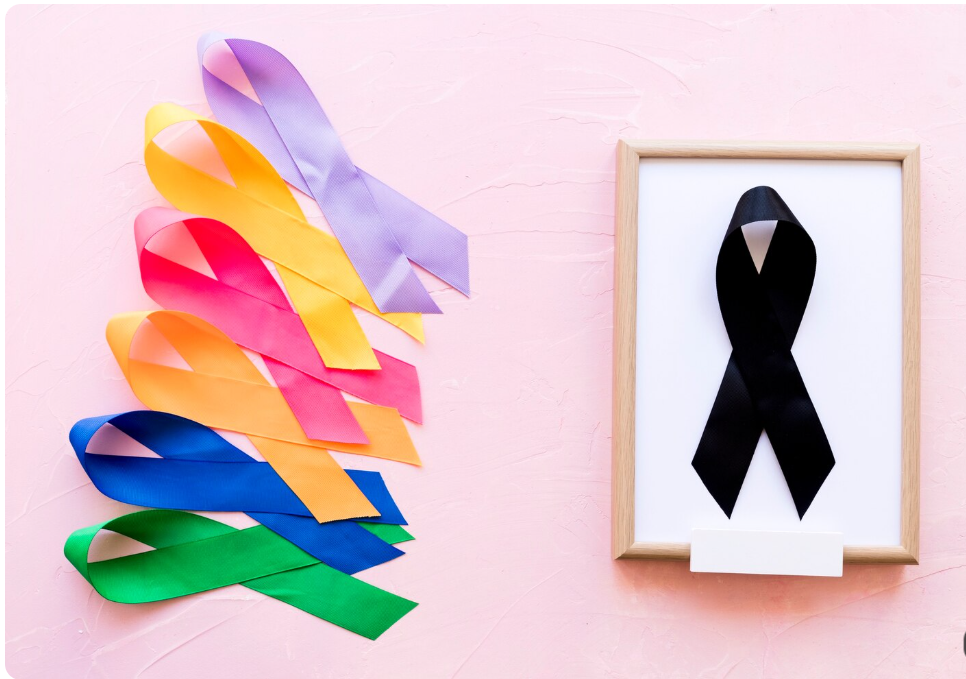
A green ribbon is a simple way to participate in mental health awareness activities.
You do not need to be part of a professional organization to show support. Individuals, students, teachers, families, businesses, and community groups can all take part.
Some practical ideas include:
- Wear a green ribbon on your clothing.
- Add a green ribbon to a school noticeboard.
- Use green graphics for awareness posts.
- Organize a mental health information session.
- Display green decorations during an awareness event.
- Share reliable mental health resources.
- Encourage respectful conversations about emotional well-being.
- Support organizations that provide mental health services.
The purpose is not simply to display a color. It is to help create an environment where people feel respected, heard, and supported.
8. Mental Health Awareness Color for Schools and Colleges
Schools and colleges can use green as a visible symbol of mental health awareness.
Students may experience academic pressure, social challenges, family difficulties, anxiety, and other emotional concerns. Awareness activities can help create supportive learning environments.
School Awareness Activities
Green dress day: Invite students and teachers to wear green to show support for mental health awareness.
Awareness posters: Display information about emotional well-being, stress management, and available support services.
Classroom discussions: Encourage age-appropriate conversations about feelings, kindness, and asking for help.
Information boards: Share trusted resources and contact details for appropriate support services.
Peer support activities: Encourage respectful listening and help students understand when to involve a trusted adult or qualified professional.
College Mental Health Campaigns
Colleges can organize workshops, student-led events, guest talks, and counseling awareness activities.
A green ribbon campaign can be combined with information about counseling services, stress-management resources, and how to support a friend who may be struggling